
Proprietary reverse mortgages are outpacing HECMs. It’s time to raise the bar on fee transparency.
Recently, a woman contacted me after her daughter encouraged her to get a second opinion before closing on a reverse mortgage. She had already chosen a lender, attended reverse mortgage counseling, completed her application and was ready to move forward. She simply wanted someone to review the numbers.
When I opened the Loan Estimate, one figure immediately caught my attention. The origination fee exceeded $42,000.
The loan was a proprietary reverse mortgage, not an FHA-insured Home Equity Conversion Mortgage (HECM). Unlike HECMs, proprietary reverse mortgages have no federally mandated cap on origination fees. The lender’s fee was legal. But legality and fairness are not always the same thing.
The borrower ultimately closed on a loan with substantially lower fees, saving over $40,000, simply because she sought another opinion before signing.
I’ve often wondered how many borrowers never make that second phone call.
A growing market driven by consumer demand
That experience has stayed with me because proprietary reverse mortgages are no longer a niche product. They have become one of the fastest-growing segments of our industry.
According to New View Advisors, proprietary reverse mortgage originations reached an estimated $953 million during the first quarter of 2026, surpassing HECM volume, which totaled approximately $875 million. That’s an important milestone and one worth celebrating.
The growth reflects genuine consumer demand.
These loans help borrowers the HECM program often cannot. They serve homeowners with higher-value properties, borrowers who qualify under proprietary programs beginning at age 55 in certain states and clients whose financing needs fall outside FHA guidelines. Product innovation has expanded options for older homeowners, and that’s good for consumers.
As someone who recommends proprietary reverse mortgages when they’re the right solution, I want this market to continue growing. But growth brings responsibility.
Balancing product flexibility with fee transparency
One of the greatest strengths of the HECM program has always been its emphasis on consumer protections. Mandatory counseling, standardized disclosures and limits on origination fees have helped create a level of consistency that borrowers can understand.
The proprietary market doesn’t operate under those same rules.
That’s not necessarily a flaw. Private products are designed to offer greater flexibility than government-insured programs. However, flexibility shouldn’t come at the expense of transparency. Most borrowers have no idea whether the origination fee they’re being quoted is competitive.
A Loan Estimate tells them what they’re paying, but it doesn’t tell them whether that fee is typical, above market or significantly higher than what another lender might charge for a similar loan.
For experienced mortgage professionals, comparing fees is straightforward. For a retired homeowner obtaining a reverse mortgage for the first and only time in their life, it isn’t.
Addressing borrower assumptions about regulated fees
Many borrowers assume reverse mortgage fees are regulated across the board because they’re familiar with the HECM program. Others simply trust that if a fee appears on official loan documents, it must be standard. Neither assumption is necessarily true.
The solution doesn’t require Congress or new federal regulations. In fact, I believe the industry can address this issue on its own.
Organizations such as the National Reverse Mortgage Lenders Association (NRMLA) could publish voluntary quarterly ranges showing typical origination fees by loan size. The purpose wouldn’t be to establish pricing or limit competition. It would simply provide borrowers with a reasonable benchmark, much like published mortgage rate surveys help consumers evaluate interest rates.
Lenders could also adopt clearer disclosure language or set origination limits similar to FHA. Setting that expectation early would help eliminate confusion before borrowers begin comparing products.
The reverse mortgage industry has spent decades improving its reputation. Today’s products are significantly different from those that sparked skepticism years ago, and the professionals in this business have worked hard to earn consumers’ confidence. As proprietary lending becomes a larger share of the market, we have an opportunity to strengthen that trust even further.
The success of proprietary reverse mortgages shouldn’t be measured only by production volume. It should also be measured by whether borrowers feel informed, respected and confident that they received fair value.
The $42,000 origination fee I found is a self-regulation issue, and we must do better for the people who trust us with the biggest financial decision of their retirement.
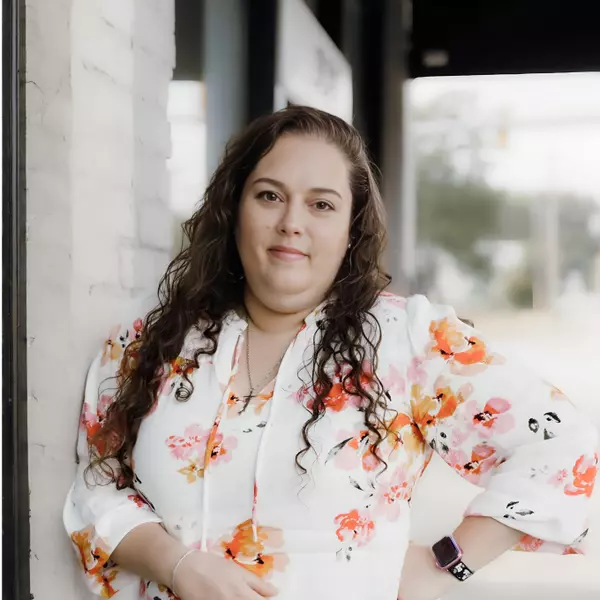
Jay Zayer is a Certified Reverse Mortgage Professional (CRMP) at Zyng Mortgage
This column does not necessarily reflect the opinion of HousingWire’s editorial department and its owners. To contact the editor responsible for this piece: zeb@hwmedia.com.